

Premium Handcrafted Afghan Accessories: 2026 Guide
Table of Contents
- What Makes Afghan Accessories Premium in 2026
- Authentic Afghan Jewelry Styles: A Buyer's Guide
- Is Velvet Appropriate for Afghan Wedding Attire?
- How to Style Afghan Accessories for Weddings
- Material Care and Preservation for Handcrafted Pieces
- Sustainability and Ethical Impact of Artisan-Made Accessories
- Conclusion: Building a Collection That Lasts
- Frequently Asked Questions
Last Updated: September 20, 2026
What Makes Afghan Accessories Premium in 2026
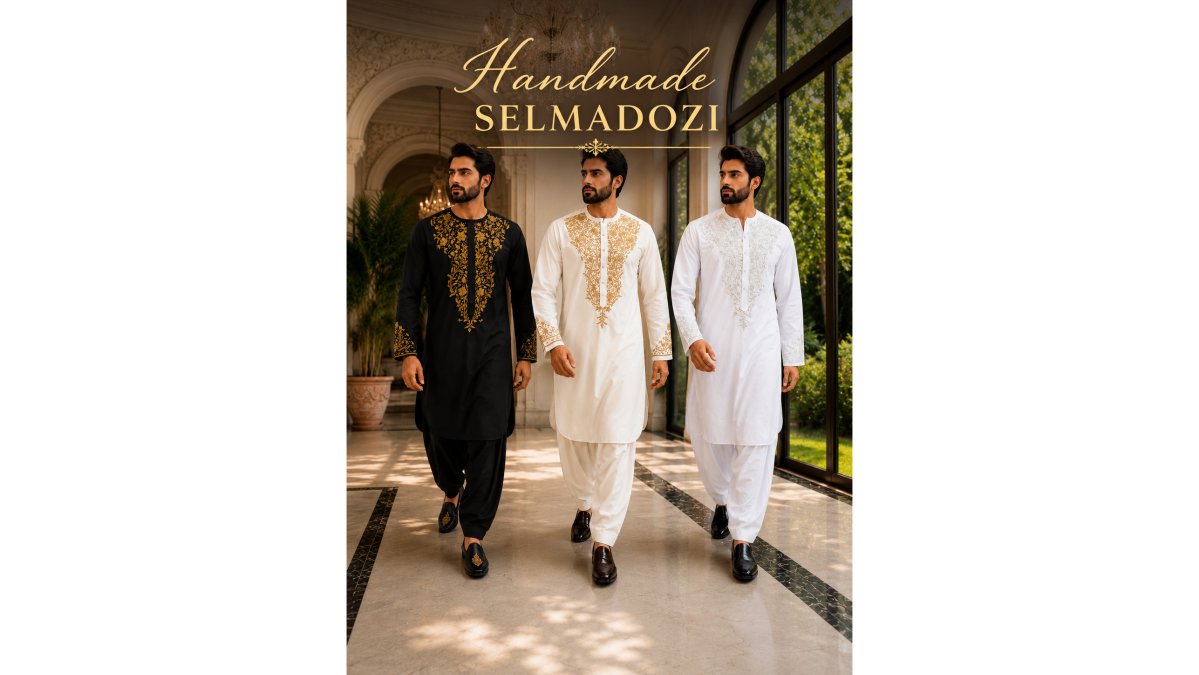
Premium handcrafted afghan accessories 2026 are defined by three things: hand embroidery rather than machine work, materials chosen for how they drape and last, and motifs inherited from specific regional traditions. At Luqmaan Boutique, we curate pieces meeting all three standards, from Selmadozi metallic threadwork to Kuchi-inspired silver-tone jewelry.

The market has blurred: mass-produced imitations mimic tribal jewelry and embroidered garments without the labor behind them.
Below, we break down how to identify authentic Afghan jewelry styles, style them for weddings, and care for pieces so they outlast the season.
Authentic Afghan Jewelry Styles: A Buyer's Guide
Authentic Afghan jewelry styles fall into distinct families: tribal Kuchi pieces with bell charms and chain fringe, bridal sets built around a statement necklace and matha patti, and silver-tone or gold-tone headpieces for festivals. Each carries different weight, stone work, and occasion fit.

The most useful distinction is ceremonial versus everyday. Ceremonial sets photograph well and hold their shape under layers of fabric; everyday pieces use lighter construction for hours of wear. Knowing which you need prevents buying a bridal-weight set for casual wear.
| Style Family | Typical Pieces | Finish | Best For |
|---|---|---|---|
| Tribal Kuchi | Choker, earrings, headpiece | Silver-tone with enamel | Festivals, henna nights |
| Bridal statement | Necklace, earrings, matha patti | Antique silver or gold-tone | Weddings, engagements |
| Headpiece only | Matha patti with side chains | Gold-tone with stones | Adding to an existing set |
| Everyday accent | Single necklace or earrings | Lightweight alloy | Gatherings, daily wear |
Silver-Tone vs. Gold-Tone: Choosing Your Finish
Silver-tone finishes read as traditional and photograph cleanly against deep colors like black, navy, and maroon. Gold-tone finishes warm up an outfit and pair naturally with gold embroidery, which is why so many Khamak and Selmadozi garments feature gold thread.
Match your finish to your embroidery, not to preference alone. A gold-embroidered Parahan Tunban with silver-tone jewelry creates visual competition, and silver embroidery with gold-tone jewelry looks mismatched in photographs even when it looks fine in person.
How to Spot Authentic Handcrafted Jewelry
Handcrafted jewelry shows slight variation in stone placement, hand-finished edges, and chain links that differ marginally in size. Uniform perfection usually signals a stamped, mass-produced piece.
Three checks to consider before buying:
- Turn the piece over. Handwork may show tool marks and solder points on the reverse.
- Weigh it in your hand. Genuine metal and dense stone work may feel heavier than hollow castings of the same size.
- Inspect the clasp. Adjustable clasps on handcrafted sets are often built to accommodate different neck sizes.
Authentication and Quality Indicators: Reading a Piece Before You Buy
Most shoppers judge tribal jewelry by its front. Signals of craftsmanship may be found on the back, in the weight, and in how the piece moves.
Reverse-side construction. Hand-set stones may sit in bezels bent around each stone individually, so the metal behind may show small tool dents and uneven edges. Stamped pieces may show a uniform grid of prongs or a flat, smooth back.
Solder points and joins. Hand-finished chains and charm clusters may show visible solder points that vary in size and placement.
What the Finish Names Actually Mean
"Antique silver" and "gold-tone" describe a look, not metal content. Antique silver finishes are darkened in the recesses. Gold-tone is a color description, not a claim of gold content.
Matching the Family to the Occasion
Kuchi-style pieces with bell charms and chain fringe suit henna nights, festivals, and settings where movement and sound are part of the look. Bridal statement sets are often chosen for photographs and ceremony. A matha patti worn alone can complement an existing set. Everyday accents are typically lighter pieces.
Is Velvet Appropriate for Afghan Wedding Attire?
Yes, velvet is appropriate for Afghan wedding attire, particularly for winter ceremonies and evening events. It holds embroidery beautifully and gives formal garments a weight lighter fabrics cannot match. The main consideration is season and venue, not tradition.
How to Style Afghan Accessories for Weddings
Styling Afghan accessories for weddings comes down to one rule: let one element lead. If embroidery is the focal point, keep jewelry coordinated but restrained. If jewelry is the statement, choose a garment with a cleaner chest panel so the two do not compete.
Coordinating Jewelry with Embroidery
Pull one color from your embroidery and repeat it in your stones. A garment with gold threadwork and red accents pairs naturally with a set featuring red stone detailing, making an outfit look intentional rather than assembled.
Handmade Afghan Selmadozi Embroidered →
Mixing Traditional Pieces with Modern Silhouettes
Traditional accessories work with modern clothing when you limit yourself to one heritage element at a time. A single tribal necklace over a plain modern dress reads as deliberate styling. A full bridal set with a modern outfit reads as costume.
Material Care and Preservation for Handcrafted Pieces
Handcrafted pieces can last for a long time when stored and cleaned correctly. Metallic embroidery is a delicate element in Afghan garments: metallic thread is a wrapped fiber, not a solid metal strand, so abrasion and moisture can break the wrap and expose the core, which may dull and fray.
Care rules that matter most:
- Dry clean embroidered garments only. Water and detergent dull metallic thread and can loosen hand stitching. Both the Selmadozi and Khamak pieces in our collection carry dry-clean-only guidance for this reason.
- Store jewelry flat and separated. Chain fringe tangles easily, and bell charms scratch adjacent pieces. A soft pouch per set prevents most damage.
- Keep pieces away from moisture and perfume. Silver-tone and gold-tone alloys tarnish faster when exposed to humidity and cosmetics.
- Fold, do not hang, heavy embroidered garments. Hanging stretches the shoulder seams under the weight of dense threadwork.
Why Metallic Thread Fails, and How to Slow It
Abrasion, moisture, and tension can affect the life of metallic embroidery. Abrasion can come from friction against jewelry, seat belts, handbags, and repeated folding along the same crease; moisture from sweat, humidity, and cleaning; tension from hanging a heavy garment by its shoulders or storing it compressed.
Cleaning Silver-Tone and Gold-Tone Jewelry
For plated or alloy pieces, keep it dry and gentle. Wipe with a soft, dry cloth after each wear to remove mildly acidic skin oils that accelerate tarnish. A jeweler's polishing cloth is fine for light tarnish on solid surfaces, but avoid abrasive creams and ultrasonic cleaners on plated pieces.
Storing Embroidered Garments and Shawls
Use a breathable cotton or muslin bag or a lined box rather than sealed plastic. Acid-free tissue between folds may reduce crease pressure on dense embroidery.
A Seasonal Preservation Routine
A short routine twice a year can help prevent long-term damage: inspect each piece for loose stones, bent clasps, and fraying thread before seasonal storage, re-pouch jewelry separately, refold garments along new lines, and check storage areas for damp, heat, and direct sun.
What to Do When Something Breaks
Loose stones, bent clasps, and pulled thread are often repairable; snapped metallic thread usually is not. When work is needed, take it to someone who handles handwork rather than a general repair counter.
Prevention is important for handcrafted pieces. Metallic thread, once broken, rarely returns to its original look, so a routine before storage is beneficial.
Sustainability and Ethical Impact of Artisan-Made Accessories
Buying artisan-made accessories is a sustainability decision as much as an aesthetic one: hand production may use less energy than factory stamping, generate less waste, and keep skilled work with the craftspeople who trained for it.
Conclusion: Building a Collection That Lasts
Building a collection that lasts means choosing pieces for construction. Consider starting with one ceremonial set and one versatile everyday accessory, then adding pieces that coordinate with what you own.
Frequently Asked Questions
What defines premium handcrafted Afghan jewelry?
Premium handcrafted Afghan jewelry is defined by artisan techniques like hand-stitched metalwork, traditional tribal motifs, and quality materials such as silver-tone alloys and semi-precious or acrylic stones. Pieces like the 3-piece set with Maatha Patti feature antique silver-tone finishes and vibrant stone accents. Look for intricate chain tassels, bell charms, and adjustable clasps. Each piece should show evidence of hand assembly, not uniform machine production.
How do I style traditional Afghan accessories with modern outfits?
Pair a statement Afghan necklace with a plain modern jumpsuit or blazer to let the jewelry stand out. A gold-tone Kuchi headpiece works with a sleek updo and a minimalist dress for a fusion look. For men, a wool Pakol hat adds texture to a casual jacket and jeans. The key is to let one handcrafted piece be the focal point while keeping the rest of the outfit simple and contemporary.
Are Afghan accessories appropriate for formal wedding attire?
Yes. Afghan accessories like the 4-piece tribal jewelry set with choker and headpiece are designed for weddings, engagements, and henna nights. The silver-tone finish and colorful enamel accents complement formal Afghan dresses, kaftans, and embroidered outfits. A Patto shawl in black or white adds a refined finishing touch to formal wear. These pieces are made for special occasions and photograph beautifully.
How can I identify authentic handcrafted Afghan accessories?
Check for irregular stitching, slight variations in stone placement, and hand-finished edges, which may indicate artisan work. Authentic pieces often include traditional motifs like tribal geometric patterns or Kuchi-inspired bell charms. The 4-piece set with adjustable necklace chain and matching headpiece shows these hallmarks.
What is the significance of Khamak embroidery in Afghan accessories?
Khamak embroidery is a traditional Afghan hand-stitching technique where artisans create raised geometric patterns using metallic or colored threads. It appears on premium garments like the Men's Black Parahan Tumban with gold hand Khamak embroidery. The technique requires precision and patience, making each piece unique. Khamak adds texture, shimmer, and cultural authenticity, and it is often passed down through generations of craftspeople.