

Traditional Afghan Headwear for Men: A 2026 Guide
Table of Contents
- Traditional Afghan Headwear for Men: Styles, History, and How to Wear Them
- The Pakol: Afghanistan's Round-Topped Wool Hat
- How to Wear a Pakol Hat: Shaping, Folding, and Fit
- The Afghan Pakol Hat for Men: Cultural Meaning and Regional Connections
- Pakol Hat Materials and Fit: Wool, Lining, and Sizing
- Beyond the Pakol: Topi, Kufi, and Other Afghan Caps for Men and Boys
- Identifying Authentic Afghan Headwear: Craftsmanship and Care
- Frequently Asked Questions
Last Updated: October 9, 2026
Traditional Afghan Headwear for Men: Styles, History, and How to Wear Them
Traditional Afghan headwear for men is more than a cold-weather accessory. It is a marker of identity, region, and craft. The pakol, a soft round-topped wool hat, sits at the center of that tradition, and it remains the piece most men seek out first.
This guide answers all of it. Below, we break down the pakol and its spelling variations, the materials that matter, the other caps worn across the region, and how to wear and care for each one. The goal is simple: to help you choose a piece that feels authentic, fits well, and lasts.
The Pakol: Afghanistan's Round-Topped Wool Hat
The pakol is a soft, round-topped wool hat with a rolled brim, worn across Afghanistan and neighboring regions. It has no stiff structure. Instead, the wearer folds and shapes the brim by hand, which gives each hat its own look.
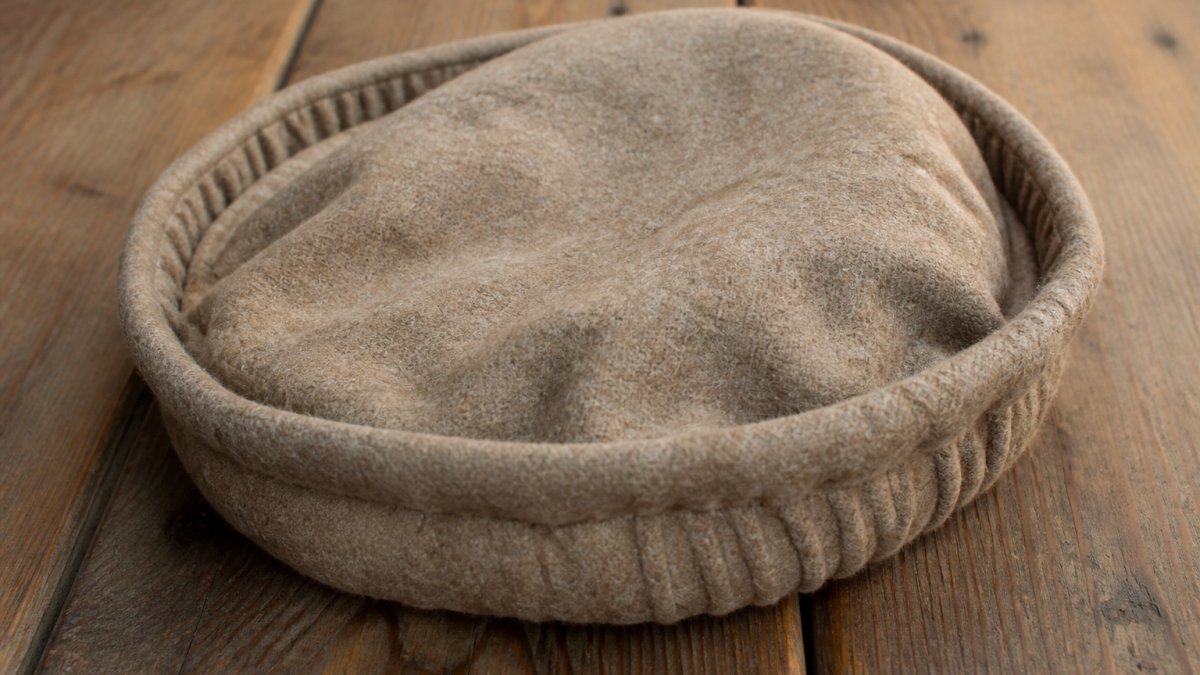
The design is practical. The wool keeps the head warm in cold mountain air, and the soft crown can be adjusted for comfort. Many people describe the shape as beret-like, though a pakol sits differently and holds a flatter, wider brim when folded.
Pakol, Pakul, or Pakool: Understanding the Spelling Variations
All three spellings refer to the same hat. Pakol, pakul, and pakool are transliterations of a word that has no single standard English form. You will also see it written as pakol hat or Afghan cap in product listings.
The variation comes from how the sound is written in English. None of these spellings is wrong. When you shop, search all three so you do not miss a good piece because of a spelling difference.
How to Wear a Pakol Hat: Shaping, Folding, and Fit
Wearing a pakol well comes down to shaping the brim and getting the fit right. The hat arrives soft, and you train it to sit the way you want.
Here is the process for shaping and wearing a pakol:
- Roll the brim upward and outward, working it evenly around the hat.
- Fold the rolled edge so it sits flat against the crown.
- Place the hat on your head and adjust the crown height.
- Push the brim up or down to change the silhouette.
- Smooth any wrinkles with your hands, then let the wool settle.
Fit matters as much as shape. A pakol is usually sold as one size, and it should fit most adults because the wool gives slightly. If it feels tight at first, wear it for a short time. The wool relaxes with body heat. If it feels loose, a thicker fold in the brim will take up the slack.
The Afghan Pakol Hat for Men: Cultural Meaning and Regional Connections
The pakol is not one hat with one origin story.
Where the pakol is worn. The hat is most closely associated with the Pashtun belt and with the Chitral and Gilgit-Baltistan areas to the northeast, where it is commonly called the Chitrali cap or Chitrali topi.
Why the shape varies. A pakol is shaped by hand, not by a factory block.
Color as a regional signal. Light brown, pale brown, camel, gray, and off-white are the most common natural wool shades.
Names you will see, and what they mean.
- Pakol / pakul / pakool / pakowl, transliterations of the same word. There is no single standard English spelling, so all of them describe the same hat.
- Chitrali cap / Chitrali topi, the name used in and around Chitral, emphasizing the place of origin.
- Topi, a general term for a cap, used for both the pakol and the fitted caps discussed below. Context decides which one is meant.
- Kufi, a short, rounded cap worn across many Muslim communities; distinct from the pakol in both shape and use.
Why this matters when you shop. A seller who can provide details about the region, wool type, and finishing method offers valuable information. The cultural detail is not trivia, it is a key indicator of a considered piece.
Pakol Hat Materials and Fit: Wool, Lining, and Sizing
Many listings describe pakols as "pure wool, one size." However, several factors determine how a pakol feels, shapes, and lasts.
Wool type. The traditional fiber is sheep's wool, often from local mountain breeds with a long, crimped staple. Two things matter most:
- Staple length and crimp. Longer, crimped fibers interlock during fulling and hold shape better. Short, straight fibers pill and sag.
- Fulling (felting). Fulling is the process of agitating damp wool so the fibers mat together. A well-fulled pakol is dense, slightly stiff at first, and softens with wear. An under-fulled hat feels fluffy and loses its roll within weeks.
Blends and synthetics. Wool blended with acrylic or polyester costs less but behaves differently: it pills faster, holds creases poorly, and does not breathe the same way.
Lining. Traditional pakols are usually unlined, the wool itself is the lining. Some modern versions add a cotton or fleece band at the forehead for comfort. A sewn-in synthetic lining traps heat and can make the hat feel clammy; a cotton band is the better compromise if you run warm.
How to judge quality in hand.
- Squeeze the crown: it should spring back, not stay crushed.
- Roll the brim: it should fold smoothly without cracking or showing white stress lines.
- Hold it to light: thin patches and uneven weave show through.
- Check the inner edge: a cleanly finished seam will not itch or fray.
- Smell it: strong chemical odor suggests heavy dyeing or moth treatment.
Sizing and fit. Pakols are typically sold as one size because the wool gives. That works for most adult men, but "one size" hides real variation. A useful approach:
- Measure your head circumference just above the ears with a soft tape.
- Compare it to the seller's stated range if one is given.
- Expect the wool to relax slightly with body heat over the first few wears.
- If it feels loose, roll a thicker brim, the roll takes up circumference without altering the crown.
- If it feels tight, wear it briefly indoors first; do not force it over a wet head.
Boys' sizes exist and follow the same soft construction, usually with a smaller crown diameter and a narrower brim roll.
Care, cleaning, and storage. Wool headwear is easy to ruin and easy to keep, depending on a few habits:
- Wash: hand wash in cool water with a mild wool-safe soap. Never hot water, never a machine cycle.
- Dry: press water out with a towel, do not wring. Reshape by hand and air dry flat, away from direct heat and sunlight.
- Store: keep the crown lightly stuffed so it holds shape, and store away from moths, cedar or a sealed bag works. Fold the brim loosely rather than creasing it.
- Refresh: a few minutes of steam from a kettle (not direct contact) will lift wrinkles and let you re-roll the brim.
For background on how natural wool behaves and how to care for it, the American Wool Council resources on wool fiber care are a useful starting point.
Beyond the Pakol: Topi, Kufi, and Other Afghan Caps for Men and Boys
The pakol is the best-known piece, but it is not the only one. Several other caps round out traditional Afghan headwear for men and boys.
The topi is a fitted cap, often flat-topped and sometimes embroidered. It is worn for everyday use and for formal events. The kufi is a shorter, rounded cap, common across many Muslim communities. It is simple, light, and easy to wear indoors.
Then there is the embroidered topi, which stands apart from the plain pakol. The embroidery is the point. Fine thread work covers the crown in geometric or floral patterns, and the quality of that stitching separates a good piece from a weak one.
| Style | Shape | Typical Material | Best For |
|---|---|---|---|
| Pakol | Round top, rolled brim | Wool | Cold weather, everyday wear |
| Topi | Flat or rounded, fitted | Cotton, wool blend | Daily and formal events |
| Kufi | Short, rounded | Cotton, knit | Prayer, indoor wear |
| Embroidered topi | Fitted with thread work | Cotton, silk thread | Weddings, celebrations |
Identifying Authentic Afghan Headwear: Craftsmanship and Care
Authentic Afghan headwear shows its quality in the details. Handmade pieces have small variations. The stitching is even but not machine-perfect. The wool feels dense and soft at the same time.
Here is what to check before you buy:
- Look for even stitching with no loose threads
- Check that the wool feels dense, not thin
- Confirm the color is consistent across the hat
- Ask how the piece was made and where the wool came from
- Check the return policy in case the fit is off
Machine-embroidered pieces can still be well made. The key is honesty about how the item was produced. A seller who explains the method is easier to trust than one who makes vague claims.
Care is straightforward. Hand wash in cool water with a mild soap. Press the water out, do not wring. Reshape the hat by hand and let it air dry away from direct heat. Store it flat or lightly stuffed so the crown keeps its shape.
For readers who want guidance on fabric and care standards, the American Wool Council resources on wool fiber care explain how natural wool behaves. The Smithsonian's collection notes on Central Asian textiles offer useful background on regional craft traditions.
Frequently Asked Questions
What hats do men wear in Afghanistan?
The pakol is the most widely recognized traditional Afghan headwear for men, especially among Pashtun and Chitrali communities. It is a soft, round-topped wool hat with a rolled brim. Other common styles include the embroidered topi, a flat-topped cap often worn for formal or religious occasions, and the kufi, a shorter, close-fitting cap. Regional variations exist, and men may choose different styles based on season, formality, and personal preference.
How do you wear a pakol hat correctly?
To wear a pakol, place it on your head with the rolled brim sitting just above your ears. Gently push the crown down to create the characteristic soft, beret-like fold. You can adjust the roll's thickness to change the shape. Many men wear it slightly tilted for a relaxed look. The pakol is one size fits most because the wool fabric allows you to reshape it. Avoid pulling it too low over your forehead if you want a traditional silhouette.
What is an Afghan pakol made of?
Traditional pakols are made from handwoven wool, often from sheep or goat hair, which gives them warmth and breathability. Some premium versions use fine lambswool or a wool blend for a softer feel. The wool is naturally water-resistant and holds its shape well. Cheaper versions may use synthetic fibers, which feel less authentic and do not regulate temperature as effectively. Look for a tight, even weave to identify real wool.
How should a pakol fit?
A pakol should feel snug but not tight around the head, with the rolled brim resting comfortably above the ears. The crown should have enough slack to fold and shape without sagging. Because pakols are typically one size, you can adjust the fit by rolling the brim more or less. If it slides down over your eyes, the wool may be too soft or the size too large. A well-made pakol stays in place during light activity and can be reshaped after wearing.
Choosing traditional Afghan headwear for men comes down to three things: the right style for the occasion, real wool, and a fit you can shape by hand. It is easy to get wrong when you buy from a listing with no context. Luqmaan Boutique curates authentic Afghan-inspired pieces with handcrafted and machine-embroidered detail, premium materials, and a focus on comfort for everyday and formal wear. Explore our collection and find a piece that carries its heritage with confidence.